
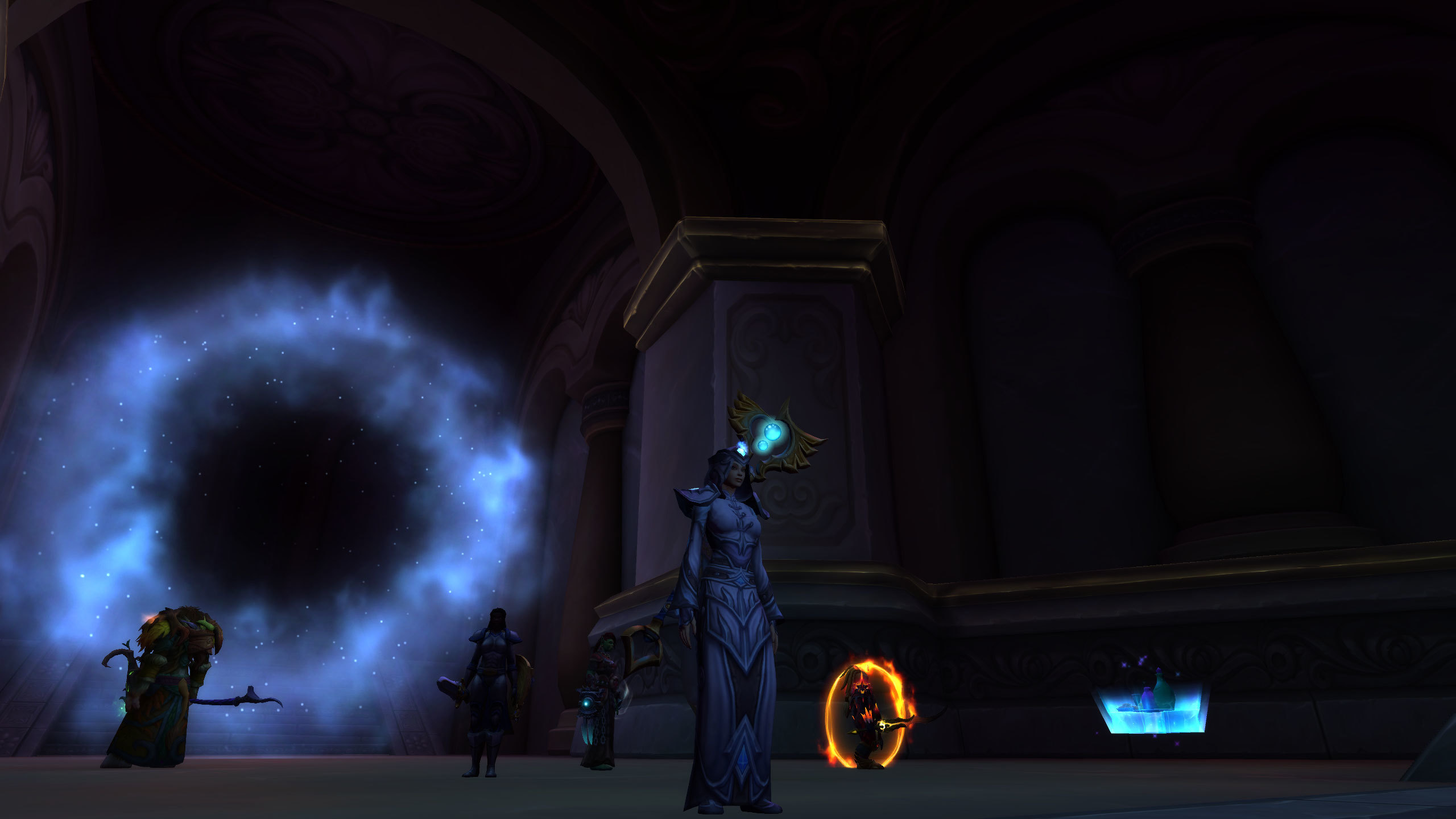
Raid encounter complexity is often front-loaded with basic mechanics, but it reaches its true peak in late phases. These final moments layer earlier mechanics together, testing consistency, awareness, and endurance simultaneously.
Late-phase design rewards groups that have mastered fundamentals rather than those relying on burst solutions or early-phase optimization.
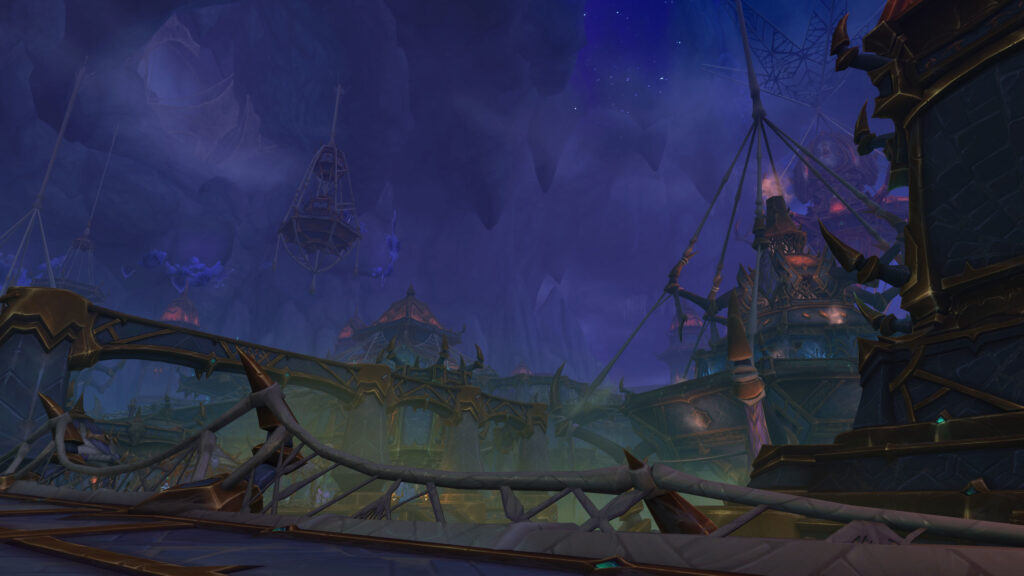
Late Phases Combine Multiple Learned Mechanics
Instead of introducing entirely new ideas, late phases remix existing mechanics. What was once manageable alone becomes dangerous in combination.
This stacking forces players to execute cleanly under pressure, as mistakes compound faster when multiple threats overlap.
Complexity Shifts From Knowledge to Execution
By the final phase, players usually understand what each mechanic does. The challenge lies in performing correctly when attention is divided.
This execution-based difficulty separates teams that practiced consistency from those that relied on early-phase repetition alone.
Resource Management Becomes Critical
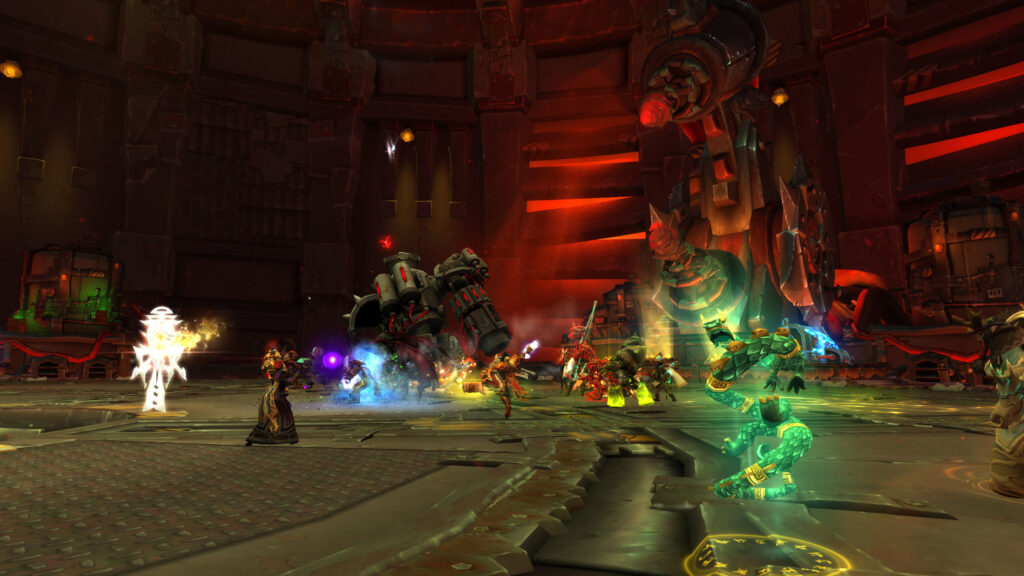
Late-phase complexity strains resources. Cooldowns, mana, and defensive tools are often limited by this point.
Groups that planned resource usage early enter late phases with options, while others face unsolvable situations.
| Late-Phase Challenge | Primary Test | Failure Outcome |
|---|---|---|
| Mechanic overlap | Awareness | Chain deaths |
| Reduced cooldowns | Planning | Unrecoverable damage |
| Movement pressure | Positioning | Execution collapse |
| Extended duration | Focus endurance | Late mistakes |
Late-Phase Design Rewards Calm Discipline
Players who remain calm maintain correct spacing, timing, and assignments even as pressure rises.
This discipline turns complex final phases into structured challenges rather than chaotic scrambles.
Conclusion
Raid encounter complexity peaks in late-phase mechanics by combining execution, endurance, and planning.
Teams that respect these moments and prepare accordingly convert complexity into consistent kills.
Leave a Reply